手本を見る Copy What You See
【木曜日:字の書き方】
先週、先々週とウェブ上で見かけるゴシックフォントをそのまま写さない方がいい、という話をしました。では、どうやったら日本人が書くような自然な日本語が書けるのでしょうか。
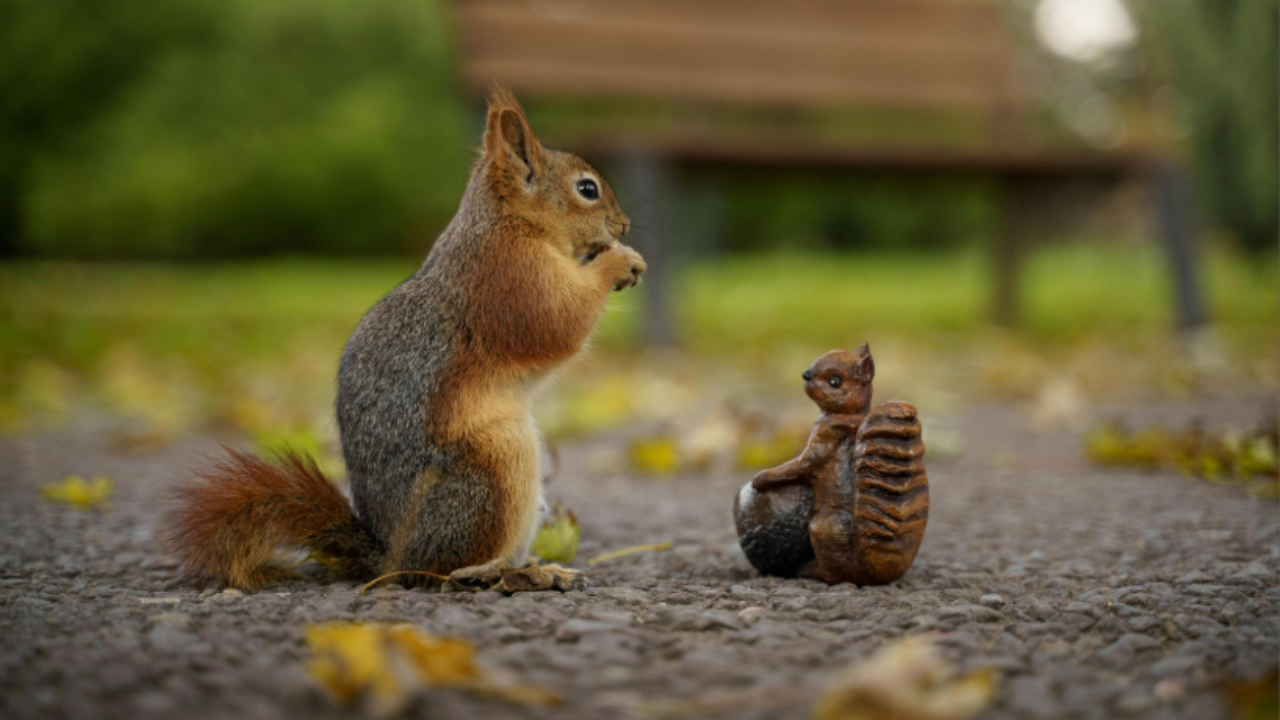
まず教科書体もしくは手書きの文字を見つけて欲しいのですが、その「お手本をよく見ながら、真似して書く」。これに尽きます。
絵のデッサンをするように、よくよく見ながら、ゆっくり字を書いていきます。(だからインクが滲んだりしない鉛筆がお勧めです)。
一回ではなかなか上手く書けません。
私もいつも何回も書いてから、お手本動画を撮っています。
ただ何回も何回も書いていると、「こういう感じか!このバランスか!」と腑に落ちる瞬間があります。ギターやピアノなどの楽器練習に似ているかもしれません。あるいは、サッカーのリフティングのような技とも似ているかも。
そんなふうに、「わかった!」と思えるまで、何日でも何回でも書いてみるといいです。
もちろん、漢字の書き方にはルールがあります。その基本ルールについてはまた次回。
いろは
So how do you write Japanese the way Japanese people actually write it?
Over the past two weeks I've talked about why copying Gothic fonts directly isn't a good idea. Now for the practical part.
First, find a model — either the textbook typeface (kyoukasho-tai) or actual handwritten characters. Then: look carefully, and copy. That really is the whole of it.
Write slowly, the way you would when sketching from life — observing closely, taking your time with each stroke. (Which is exactly why I recommend a pencil: no ink bleeding, no pressure to keep moving.)
You won't get it right the first time. I never do. Before I film any tutorial video, I always write the character many times over.
But something happens when you keep at it. At some point — after the fifth attempt, or the fifteenth — there's a moment where it clicks. Oh, I see. That's the balance. That's the feeling. It's a little like learning an instrument: guitar, piano. Or perhaps like learning to juggle a football — a skill that suddenly makes sense in your hands rather than your head.
Keep writing, as many times as it takes, over as many days as you need, until you have that moment of I've got it.
The characters have rules too, of course — stroke order and basic principles. I'll cover those next time.
Iroha