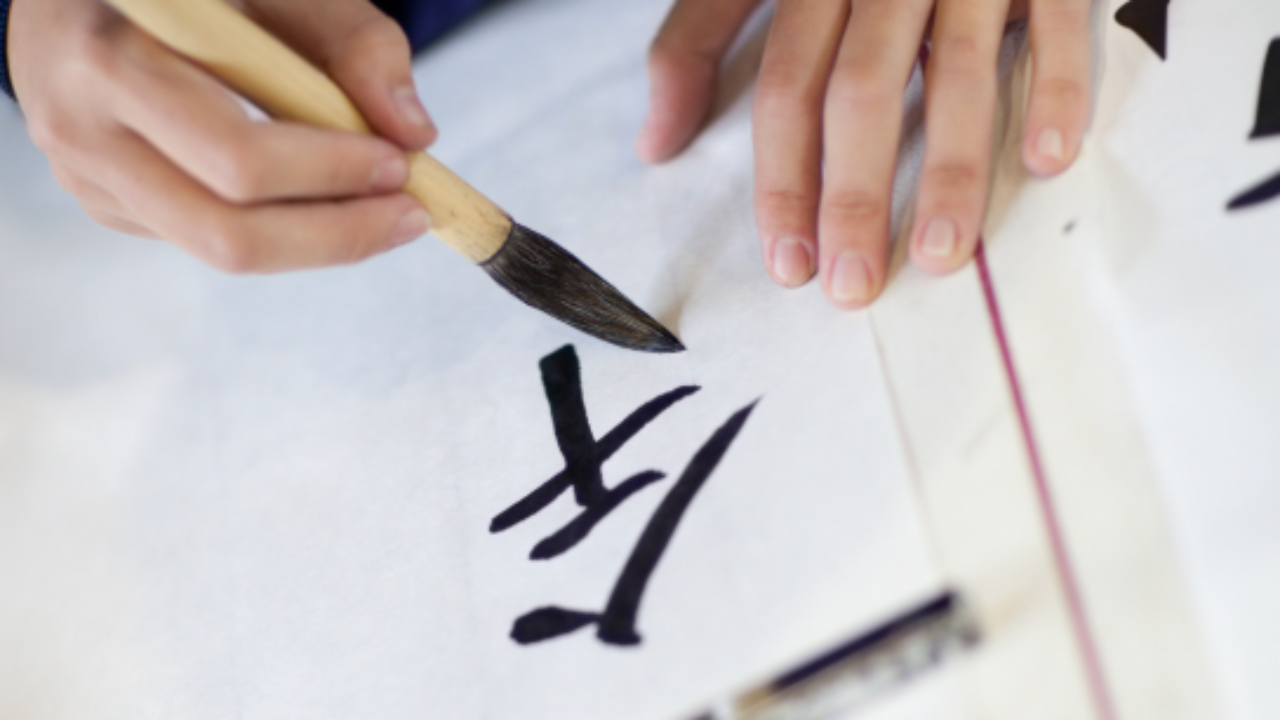
初心忘るべからず Don't Forget the Beginner's Mind
【火曜:禅】
「初心忘るべからず」という言葉を、日本人は誰でも聞いたことがあるはずです。「物事を最初に始めたときの気持ちを忘れてはいけない」という意味で、一般的に使っています。
この言葉は14世紀から15世紀にかけて活躍した「世阿弥(ぜあみ)」という能楽者の言葉で、能や芸事に関する言葉ですが、禅宗の影響を少なからず受けています。
禅といえば、50年ほど前に英語で書かれた「Zen Mind, Beginner's Mind」(鈴木俊隆著)という本をご存知でしょうか?まさにそこに書かれたBeginner's Mindとは「初心」のことです。
禅、そしてその影響を受けている日本社会では、「何も詳しいことは知らない、初心者の気持ち」を大事にします。どんな専門分野でも、詳しく理解している専門家の方が偉いと思われがちですが、偉くなればなるほど、「初心者の気持ち」を忘れないようにしよう、とするのが本当の偉い人だ、ということになっています。
なぜそうなのか。
話が長くなるので、続きはまた来週にしましょう。
いろは
Tuesday — Zen
“Shoshin wasuru bekarazu.”
Every Japanese person has heard this saying at least once. It means: don’t forget the feeling you had when you first began something. That is how most people use it today.
The words come from Zeami (世阿弥), a Noh theatre master who lived in the fourteenth and fifteenth centuries. He wrote them in the context of Noh and the performing arts, though his thinking was shaped in no small part by Zen.
Speaking of Zen — you may know a book written in English about fifty years ago called Zen Mind, Beginner’s Mind, by Shunryu Suzuki. The “Beginner’s Mind” he describes is precisely this: shoshin (初心).
In Zen, and in Japanese society shaped by it, there is a deep regard for the mind of someone who knows nothing yet — the mind of a true beginner. We tend to assume that the more expert a person becomes, the more authority they carry. But in this tradition, the truly great person is the one who, even at the height of their expertise, never loses that beginner’s openness.
Why is that?
The story is getting long, so I’ll save the rest for next week.
Iroha