Header Logo
Store Newsletter
Contact
Log In
← Back to all posts

【季節】霜降 The First Frost

by Iroha Ogawa
Oct 21, 2026
Connect

【水曜:自然・季節】

今週の金曜日、10月23日は二十四節気のうち「霜降(そうこう)」、つまり初めて霜が降りる頃とされています。二十四節気では、これが秋の最後になります。

日本語では、霜が「降りる(おりる)」・「降る(ふる)」という表現をします。

昔は、寒い朝外を見ると地面が真っ白になっていたので、霜も雪や雨と同じように空から降ってくるものと考えられており、そのため霜も「降りる・降る」という言い方をするそうです。

最近の季節は暦より暖かいので、霜が降りるのは真冬にならないと見られませんが、朝晩、肌寒くなってきたのは事実です。昼間との温度差が激しいですね。

風邪をひかないように、皆さまどうぞお気をつけて。

いろは

Wednesday — Nature & the Seasons

This Friday, the 23rd of October, marks Sōkō (霜降) in the traditional calendar of 24 solar terms — the period when the first frost is said to fall. It is the final solar term of autumn.

In Japanese, frost is described with the verb oriru or furu — both of which mean to fall, or to come down from above. The same words are used for rain and snow.

The reason, it seems, is quite simple. In the old days, people would wake on a cold morning to find the ground completely white. With no other explanation, it must have seemed as though the frost had fallen from the sky overnight, just as rain and snow do. And so the language settled on that image, and it has stayed ever since.

These days, the seasons tend to run warmer than the old calendar expects, and true frost is rarely seen before the depths of winter. But the mornings and evenings have grown noticeably cool. The gap between midday warmth and the chill of early morning is quite something.

Please do take care not to catch a cold.

Iroha
 

【漢字】人べん Kanji Radical: Ninben
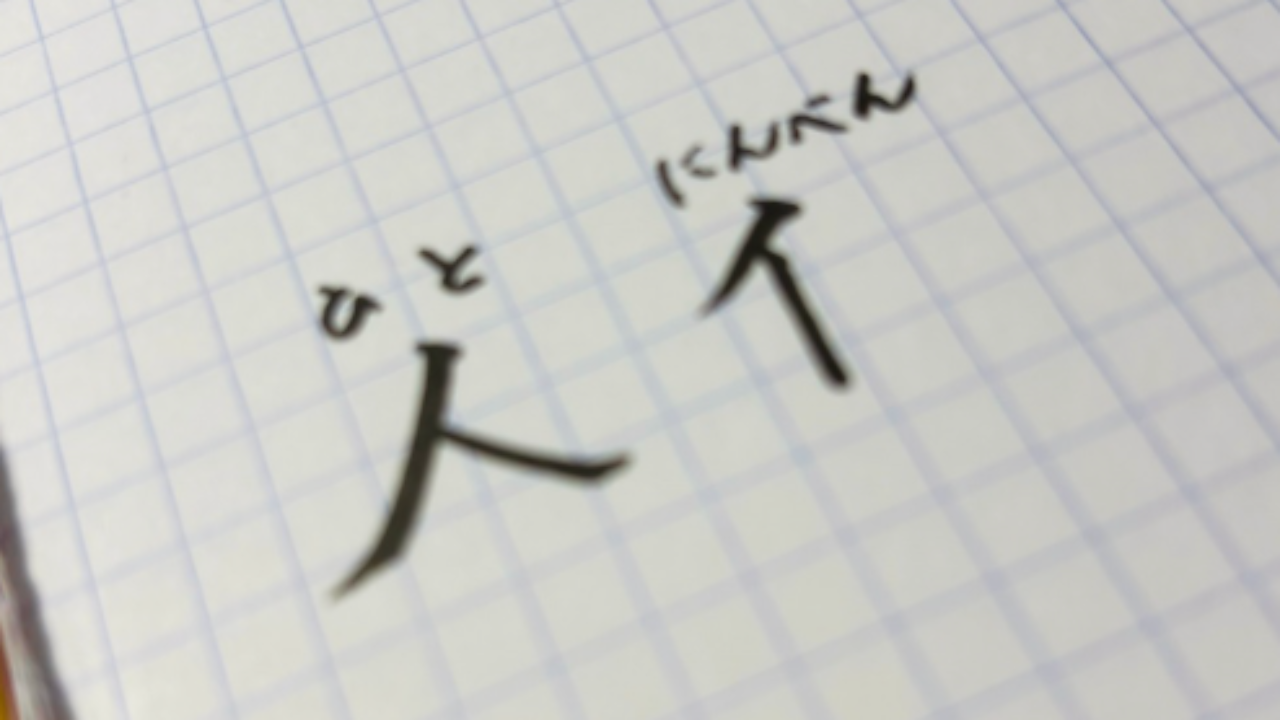
【木曜:漢字・書き方】 先週の部首ランキングはご覧になりましたか? 最も良く使われる部首10個のうち、一番めは「氵(さんずい)」でしたが、2番目は「人べん」です。 人べんとは、「休」「体」「作」「住」などの漢字の左側の部分で、「人」という字が変形したものです。人に関係する字によく使われています。 「人」という漢字は、このニュースレターのようなゴシック体で見ると、てっぺんから2本の線が左右に降りているように見えますが、本来は右の線は左の線の真ん中あたりから右下へ降りていくのが「人」という漢字です。(画像参照) ですので、「人べん」も左の線が上、右の線がその真ん中あたりから下へまっすぐ降りた形になっています。 ゴシック体の漢字をそのまま写さないように、ぜひ意識してみてください。 いろは   Thursday — The Art of Writing Did you catch last ...
【禅】初心とは ZEN: Why Beginner's Mind Matters
【火曜:禅】 先週お話しした「初心忘るべからず」という言葉、覚えていますか?禅では、「初心」を忘れてはいけない。どんなに長く修行していても、初心を持ちつづけていなければいけない。そしてそれが一番難しいことだ、といいます。 なぜ、物事を始めたばかりの時の心を保ち続けなければいけないのか。 禅では、何も知らない時の心は空っぽで、なんでも受け入れられる可能性をもっている、と捉えます。そして、その最初の状態から、人間は満たされており、なんでも受け入れられる優しさをもっている。 しかし色々な知識や経験を経るごとに、色々な欲や自分への執着が出てきて、可能性を締め出し、他の人や異なる物事への寛容さも失ってしまう。 だから、禅では最初の心の状態を取り戻そう、と説いています。 初心者のまだ何も知らない空っぽな心こそ、人として満たされた状態だ、という一見矛盾した考え方が、いかにも禅らしい。そして西洋的な...
The Most Frequently Used Kanji Radical is...
【木曜:書き方】   一番よく使われる漢字の部首は何かご存知ですか? 「常用漢字」という普段よく使われる漢字1945字の中で、一番よく出てくる部首は「氵」(さんずい)だそうです。 「氵」は「水」の省略形で、水に関連する漢字によく使われています。例えば「海」「河」「池」「流れる」「涙」などです。 ちなみに、よく使われる部首ランキングは 氵(さんずい) 人べん、人 手へん 木・木へん 糸・糸へん 言・言べん 口・口へん しんにょう(「進」の左と下の部分) 土・土へん 心 だそうです。これらの漢字と部首を覚えていると、たくさんの漢字が覚えやすくなりますね。 いろは   Thursday — The Art of Writing Do you know which kanji radical appears most often in everyday Japanese? Within ...

Newsletter from Iroha

[Tue] Mindfulness & Zen [Wed] Nature & Seasons [Thu] Japanese Writing
Footer Logo
Privacy Policy 特定商取引法に基づく表記/Legal Notice
© 2026 Kajabi
Powered by Kajabi

Join Our Free Trial

Get started today before this once in a lifetime opportunity expires.