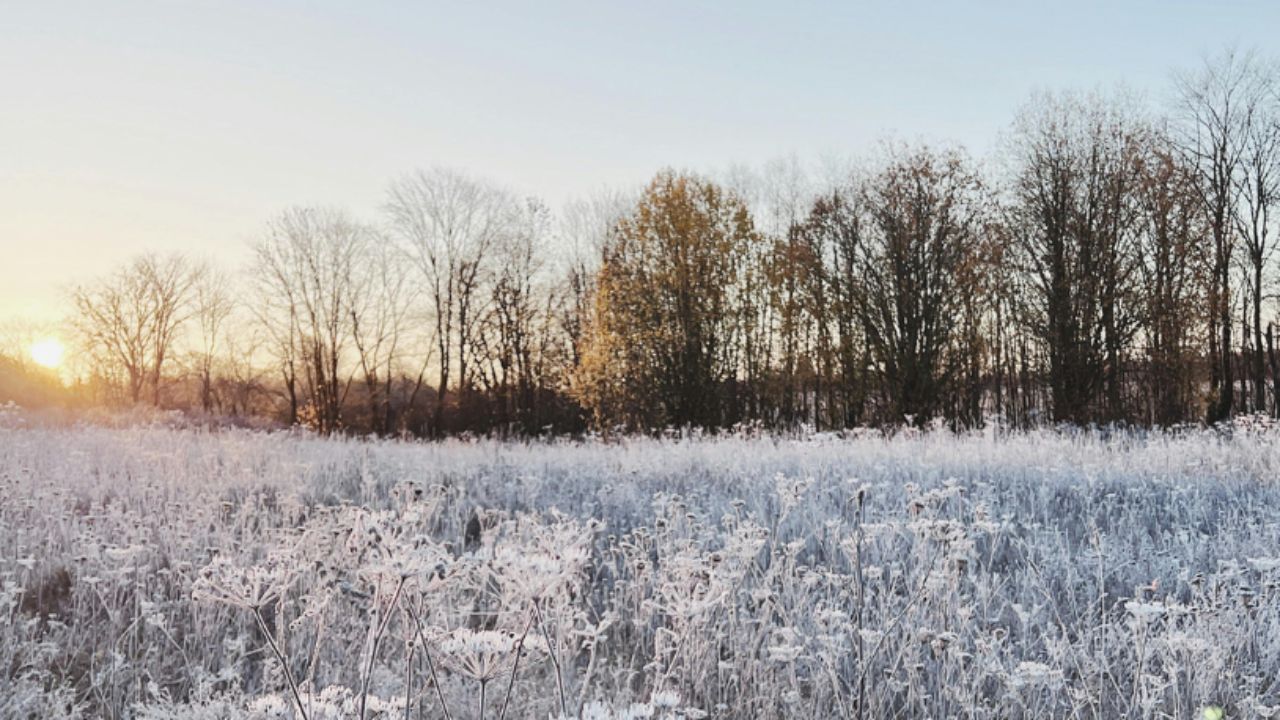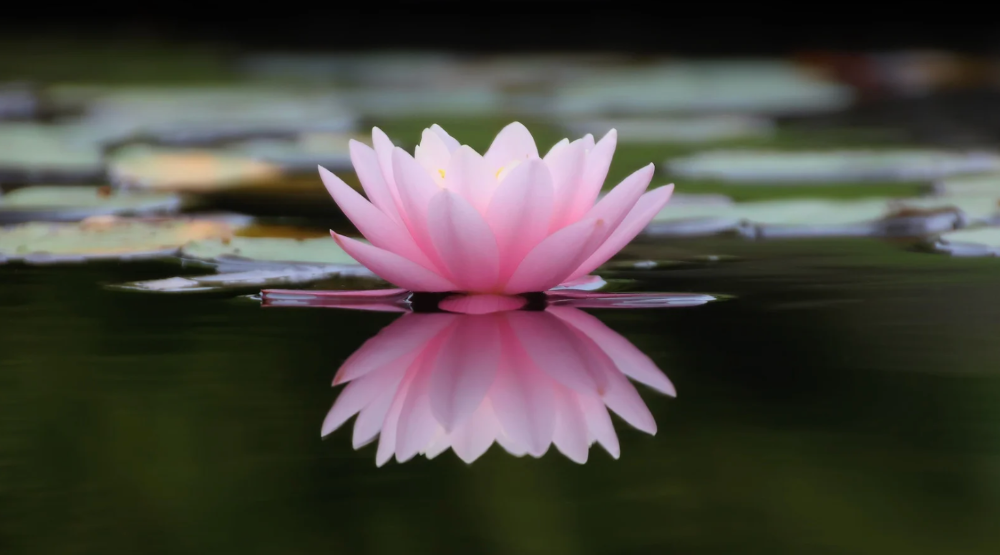
自然を感じる。Feel the nature.
マインドフルに生きるとは、どんなことをすることなんでしょう。あるいはどんなふうにあることなんでしょう。
瞑想をするのは、一つの手段に過ぎません。それも、僧侶が行うような特別な訓練の一種。
マインドフルに生きるために、普段から私たちができること。その一つに「自然を感じること」があります。
自然を感じると、自分もその一部として感じられる。
日本語には、自然や自然の変化を細やかに捉えた語彙がたくさんあり、各季節ごとのそうした語彙を覚えるだけでも、自然の変化に敏感になれるのが、日本語学習の良いところだと、私は思います。
最近私がシェアしたなかで言えば「日が短くなってきた」。ずっと暑い毎日でも、少しずつ変化していることに気づく瞬間があると、時間の流れを感じますね。
これからも、日々そうした季節の言葉をシェアしていきますね。
いろは
What does it mean to live mindfully?
Meditation is one path — but it is just that: one path. And in its most rigorous forms, it is closer to the kind of training practised by monks than something most of us can weave into daily life.
So what can we actually do, day to day, to live more mindfully?
One answer: feel nature.
When you pay attention to the natural world, something shifts. You begin to feel yourself as part of it — not separate from it, observing it from a distance, but woven into the same flow.
Japanese has a remarkably rich vocabulary for this. There are words for subtle natural phenomena and seasonal changes. And I think one of the quiet gifts of learning Japanese is that as you absorb these words, you naturally become more attuned to the world around you. The words teach you to notice.
Take a phrase I shared recently: hi ga mijikaku naru — the days are getting shorter. Even in the middle of weeks of relentless heat, there are moments when you notice that the light has changed, that evening comes a little sooner. And in that moment, you feel time moving. Gently, but unmistakably.
I'll keep sharing these words and phrases — the small language of the seasons — as we move through the year together.
Iroha