白露 Hakuro
今日、9月7日は、二十四節気の「白露」です。
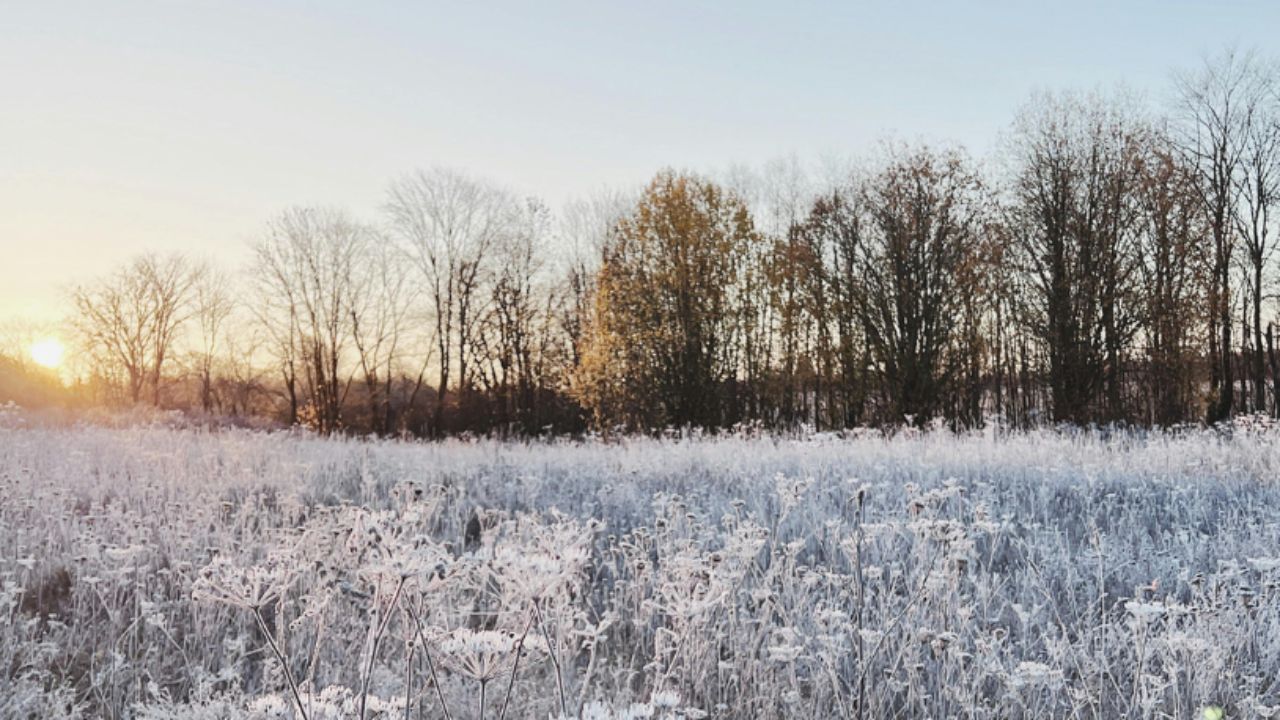
白露とは、白い露、つまり朝晩と日中の気温差が大きくなり、露が降りて白く光っているのが見られるようになる頃、という意味です。
実際、今日の東京は昼間は蒸し暑いのですが、朝晩は涼しくなりました。秋雨が降るので湿度は高いです。なので気温が下がると、水滴が窓ガラスや車のドアなど、あちこちにつきます。
ちなみに、二十四節気というのは、1年間を24の季節に分けて(つまり四季をさらに6つに分けて)、二週間ごとに一つの季節として名前をつけたもので、昔から農作業の目安などに使われてきたそうです。
日本では季節感を表すものとして、カレンダーにも書いてあります。
いろは
Today, the 7th of September, is Hakuro — one of the 24 solar terms.
Hakuro means "white dew." It marks the point in the year when the difference between daytime and morning or evening temperatures begins to widen, and dew starts to appear — catching the light, gleaming white in the early morning.
Here in Tokyo today, the afternoons are still humid and close. But the mornings and evenings have turned noticeably cooler. With the autumn rains arriving, the humidity stays high — and when the temperature drops, water droplets form on window glass, car doors, and surfaces everywhere you look.
A quick note on the nijuushi sekki — the 24 solar terms: the year is divided into 24 seasons, with each of the four seasons further split into six. Every two weeks, a new season begins, each with its own name. Historically, these were used as a practical guide for farming — knowing when to plant, when to harvest, when to prepare. In Japan today, they're still printed in calendars as a way of marking the subtle turning of the year.
Iroha