送り火 The Farewell Fire
昨日は「迎え火」の話をしましたが、今日は「送り火」の話です。
お盆は8月の13日に始まり、16日に終わります。16日はご先祖様の霊も帰っていくので、その時にお見送りするための火を「送り火」と言います。
迎え火と同様、きゅうりとナスの馬と牛に乗ってもらい、夕方火を焚いてお送りします。
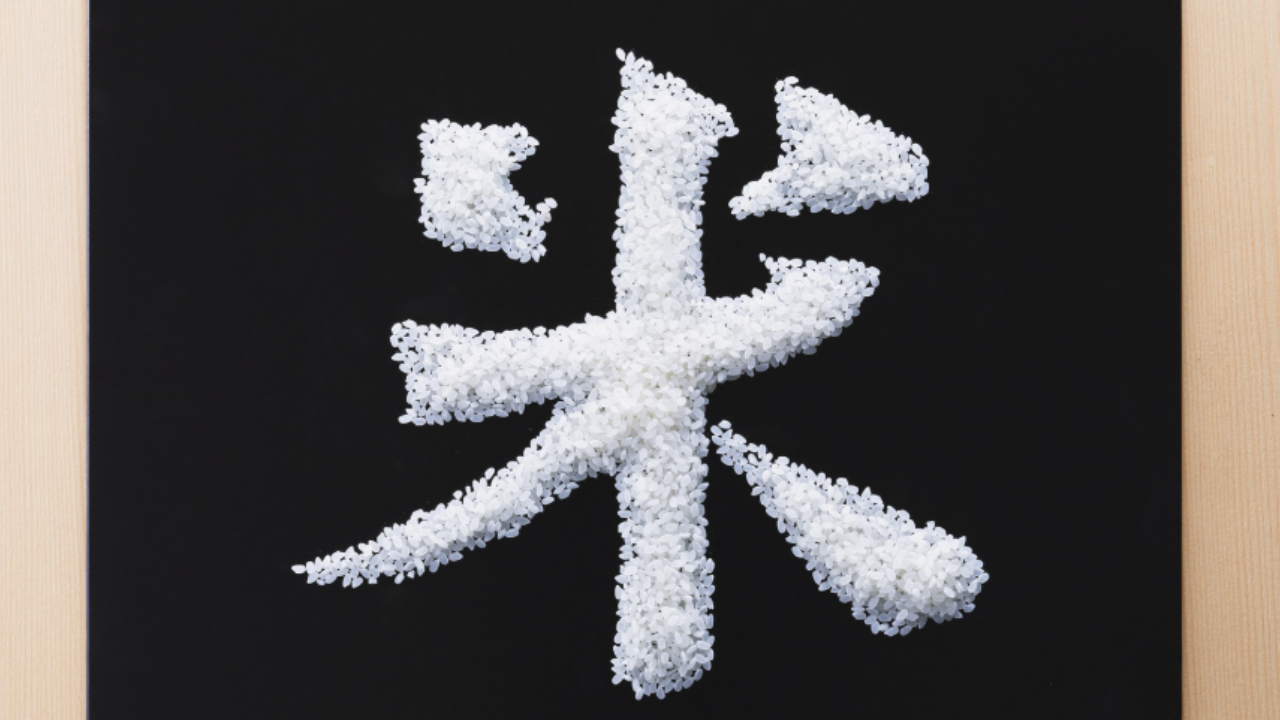
これは各家庭でやるものですが、最も大規模で有名な行事となっているのが、京都の五山の送り火でしょう。山の中に(しかも5つの山!)文字の形をした送り火を焚いてしまうのですから、壮大です。
京都の人は、この五山送り火を見ると、「ああ、もう夏も終わりだな」と感じるそうです。
そう、お盆休みが終わると一気に夏の終わりが近づいてきます。学校の夏休みも終わりに近づき、夏休みの宿題に追われる子供たちの姿は、もはや風物詩です。(いつの時代も、人は締め切りギリギリならないと課題をやれない生き物らしいです。。)
いよいよ来週からは8月も後半。しっかり季節の移ろいを感じながら、過ごしていきたいと思います。
いろは
Yesterday I wrote about the welcoming fire. Today, the farewell.
Obon begins on the 13th of August and ends on the 16th. On the final day, the spirits of the ancestors make their journey home once more — and to see them off, families light the okuribi, the farewell fire.
Just as with the welcoming fire, the cucumber horse and aubergine cow are brought out, and as evening falls, a fire is lit to gently send the spirits on their way.
This happens in homes across the country — but the most breathtaking expression of this tradition is Kyoto's Gozan no Okuribi: farewell fires lit simultaneously on five mountains surrounding the city, each one burning in the shape of a kanji character. Five mountains. The scale of it is extraordinary.
For people in Kyoto, seeing the fires on those mountains is said to bring a particular feeling: ah — summer is nearly over.
And it's true. Once Obon ends, the end of summer suddenly feels very close. School summer holidays are drawing to a close, and across Japan, children can be found desperately scrambling to finish their summer homework. It is, by now, something of a national tradition in itself — proof, perhaps, that no matter the era, human beings simply cannot bring themselves to tackle a task until the deadline is upon them.
Next week, we move into the second half of August. I hope to move through it slowly, feeling every small shift of the season as it comes.
Iroha