中秋の名月 The Mid-Autumn Moon
【水曜は日本の自然・季節について】
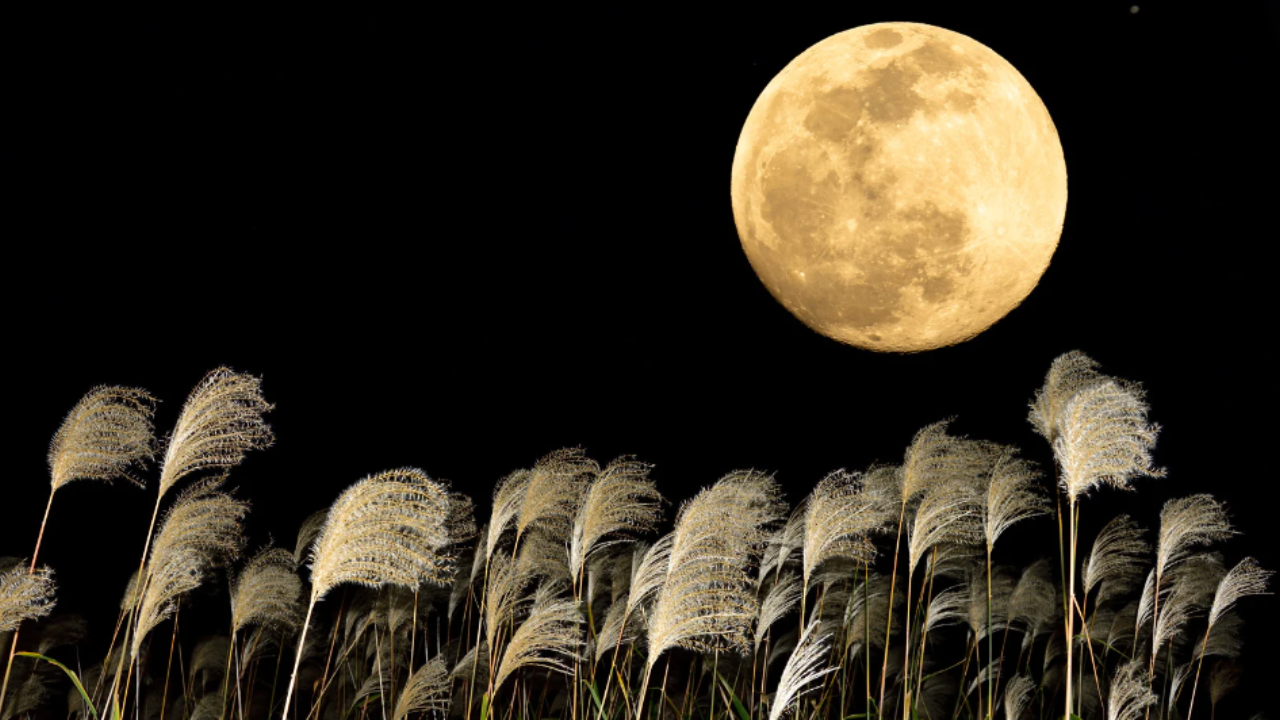
9月25日(金)は中秋の名月でした。伝統的に、この時期の月は1年で最も美しい月とされ、月見をする慣習があります。
中国の伝統である「中秋節」が1000年以上前に日本にも伝わり、始まった行事です。中国では丸くて平たい「月餅」というお菓子を食べますが、日本では月と同じ白くて丸い団子を食べます。
日本にはもともと「同じ形のものに同じ魂が宿る」という霊性文化が根付いていて、月と同じ形の団子を月夜に飾ることで団子に月のパワーが宿り、それを食べることで月のパワーをいただくことができる、という信仰があったようです。
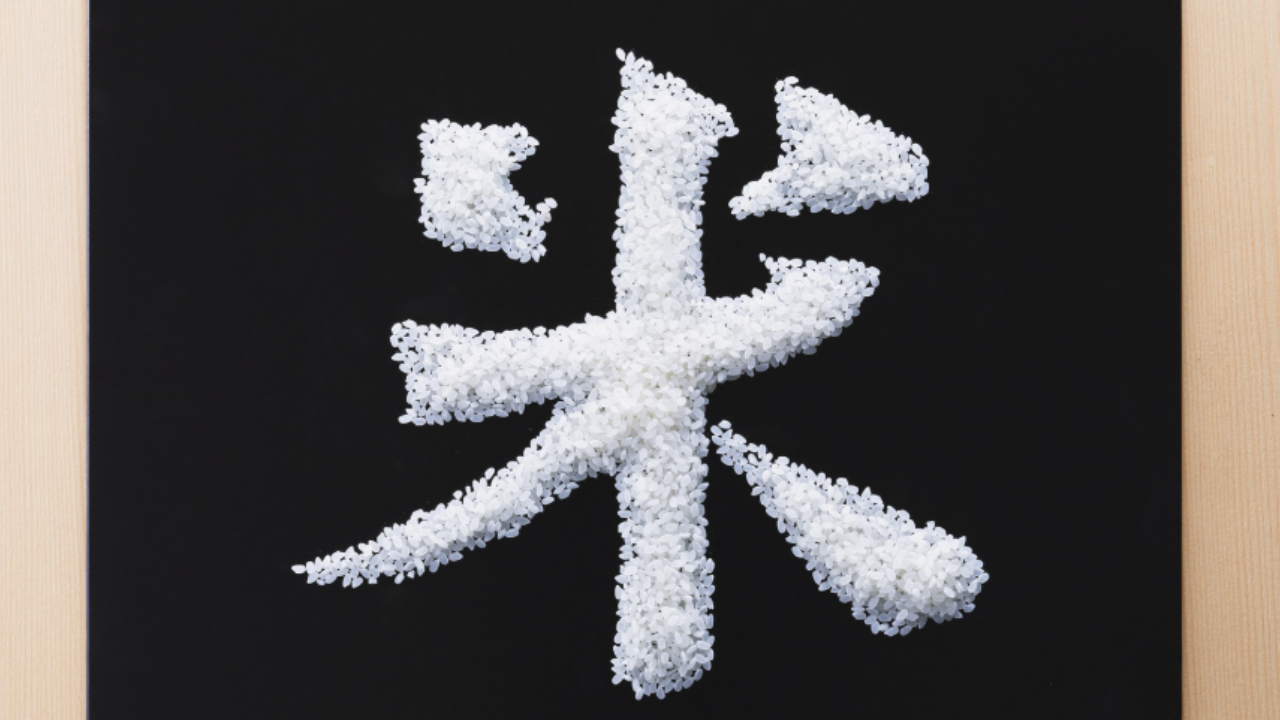
また横に稲に見立てたススキを飾り、秋の豊作を願うこともしました。米の収穫は日本人にとって1年で一番大事なことだったからです。
中秋の名月を眺める「お月見」は、日本ではとても静かな行事で、お祭りというよりは各家庭でお供え物をして黙って月を見上げる時間です。「今年も秋が来たな」と季節の変化を実感し、満月を見ることで心の中が浄化されるような、そんな静かな時間を過ごします。
いろは
Wednesday: Japan's Nature and Seasons
The Mid-Autumn Moon
Friday the 25th of September was Chuushuu no Meigetsu — the Mid-Autumn Moon. By tradition, the moon at this time of year is considered the most beautiful of all, and it has long been the custom to sit and gaze at it: otsukimi, moon-viewing.
The tradition arrived in Japan from China — where it is celebrated as the Mid-Autumn Festival — more than a thousand years ago. In China, round, flat mooncakes are eaten to mark the occasion. In Japan, the offering is tsukimi dango: soft white rice dumplings, round like the moon itself.
This connects to something deep in Japanese spiritual culture: the belief that objects sharing the same form share the same spirit. By placing dumplings of the same shape as the moon beneath the moonlit sky, the moon's power is said to pass into them — and by eating them, you take that power into yourself.
Alongside the dumplings, susuki — silver grass, which resembles rice stalks — is displayed as a prayer for a good autumn harvest. The rice harvest has always been the most important moment of the year for the Japanese people.
Otsukimi is a quiet affair. Less a festival than a private ritual: offerings arranged, and then a still moment of looking up. Autumn has come again. There is something quietly clarifying about gazing at a full moon — as if something inside you is gently washed clean.
Iroha